 Airports
Major International Airports in Spain
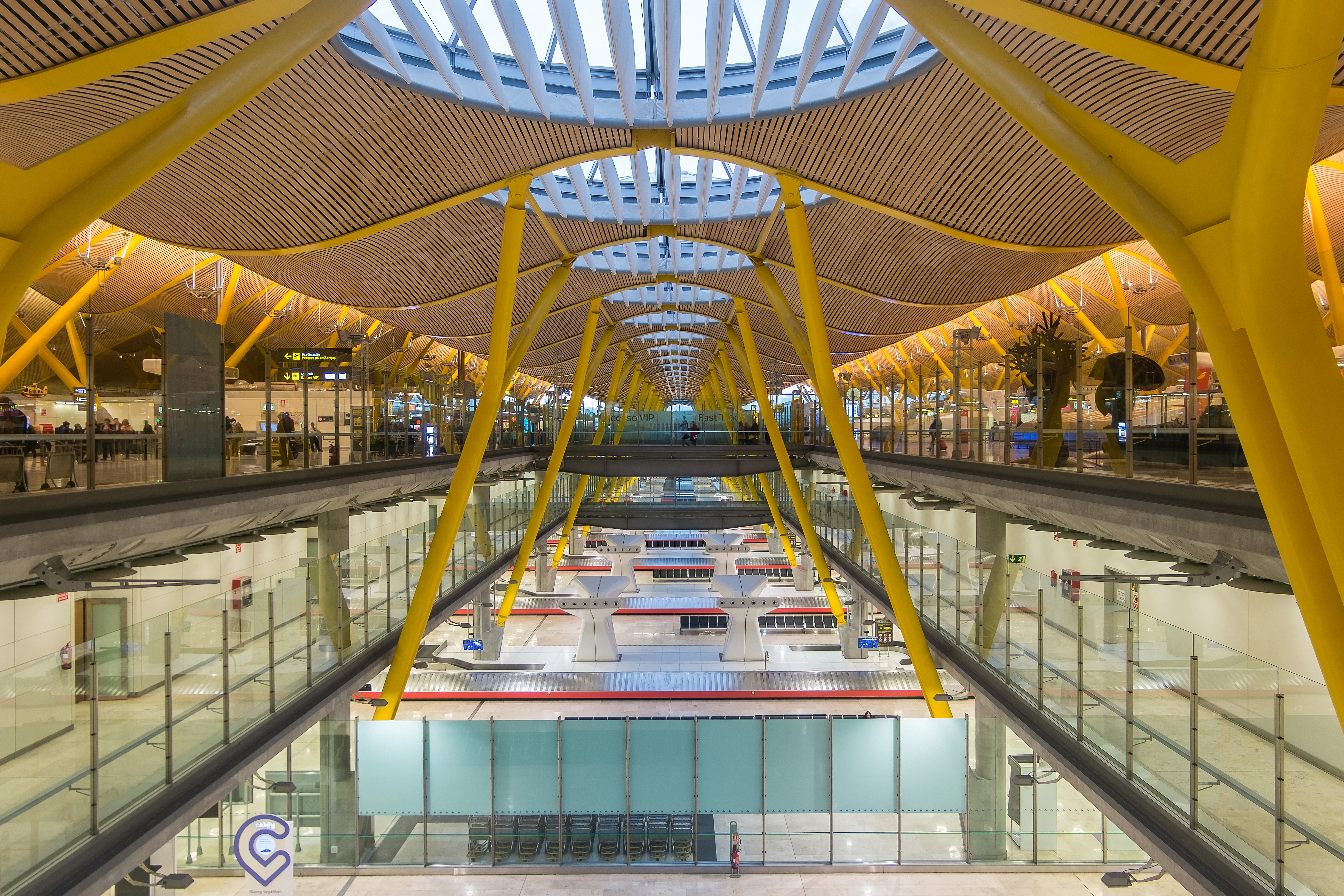
Madrid Barajas, Barcelona El Prat, Malaga-Costa del Sol, Palma de Mallorca — operational details, terminal layouts, and ground connections.
A structured guide to Spain's major international airports, the high-speed AVE rail network, national motorways, and how they connect key accommodation destinations across the country.
Three in-depth guides covering the main transportation modes used to travel within Spain and between its major cities and tourist destinations.
Airports
Madrid Barajas, Barcelona El Prat, Malaga-Costa del Sol, Palma de Mallorca — operational details, terminal layouts, and ground connections.
 Rail
Rail
Routes, train types, booking channels, and how the AVE network connects Madrid with Barcelona, Seville, Valencia, Málaga, and other cities.
 Motorways
How Spain's autopistas and autovías are structured, the toll system explained, key radial and coastal routes, and practical driving information.
Spain operates one of Europe's most developed transportation networks. The national road system radiates from Madrid in a series of numbered corridors, with toll motorways (autopistas) running alongside free dual carriageways (autovías) on many routes.
The AVE high-speed rail network, operated by Renfe under the Adif infrastructure, connects Madrid with most of Spain's provincial capitals and major cities. Journey times by rail between Madrid and Barcelona (625 km) are under three hours at standard AVE speeds.
Air travel within Spain is primarily handled through AENA's 46-airport network. International hubs in Madrid and Barcelona handle the majority of intercontinental traffic, while Malaga, Palma de Mallorca, and Alicante serve high seasonal passenger volumes from northern European routes.
AENA — Aeropuertos Españoles y Navegación Aérea. Public company managing 46 commercial airports in Spain.
Adif administers the rail network. Renfe Operadora operates passenger services. High-speed lines use standard gauge (1,435 mm), separate from the Iberian gauge legacy network.
State roads are administered by the DGT (Dirección General de Tráfico) and the Ministerio de Transportes. Regional autonomous communities manage their own road networks.
| Airport | IATA Code | City | Type | Terminals |
|---|---|---|---|---|
| Adolfo Suárez Madrid-Barajas | MAD | Madrid | International hub | T1, T2, T3, T4, T4S |
| Barcelona-El Prat | BCN | Barcelona | International hub | T1, T2 |
| Malaga-Costa del Sol | AGP | Málaga | International leisure | T2, T3 |
| Palma de Mallorca | PMI | Palma | International leisure | T1, T2 |
| Alicante-Elche | ALC | Alicante | International leisure | T1 |
Source: AENA official airport directory. Terminal counts as of 2024.